

History of Gay Line & CAEO Québec
- In the early 1970s, North America and Europe saw a flourishing of gay and lesbian activism following the New York Stonewall Bar Riots in 1969.
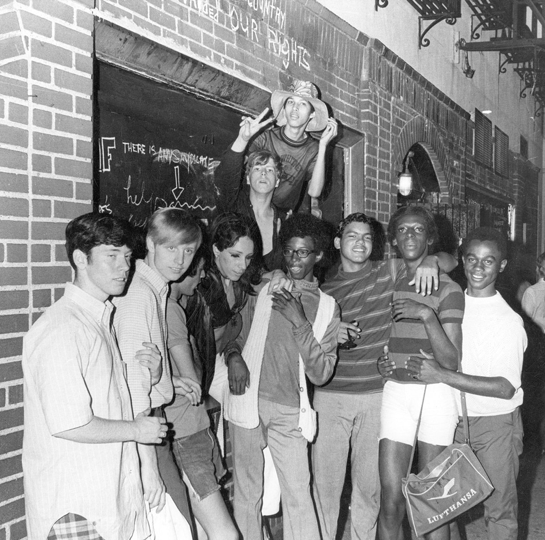
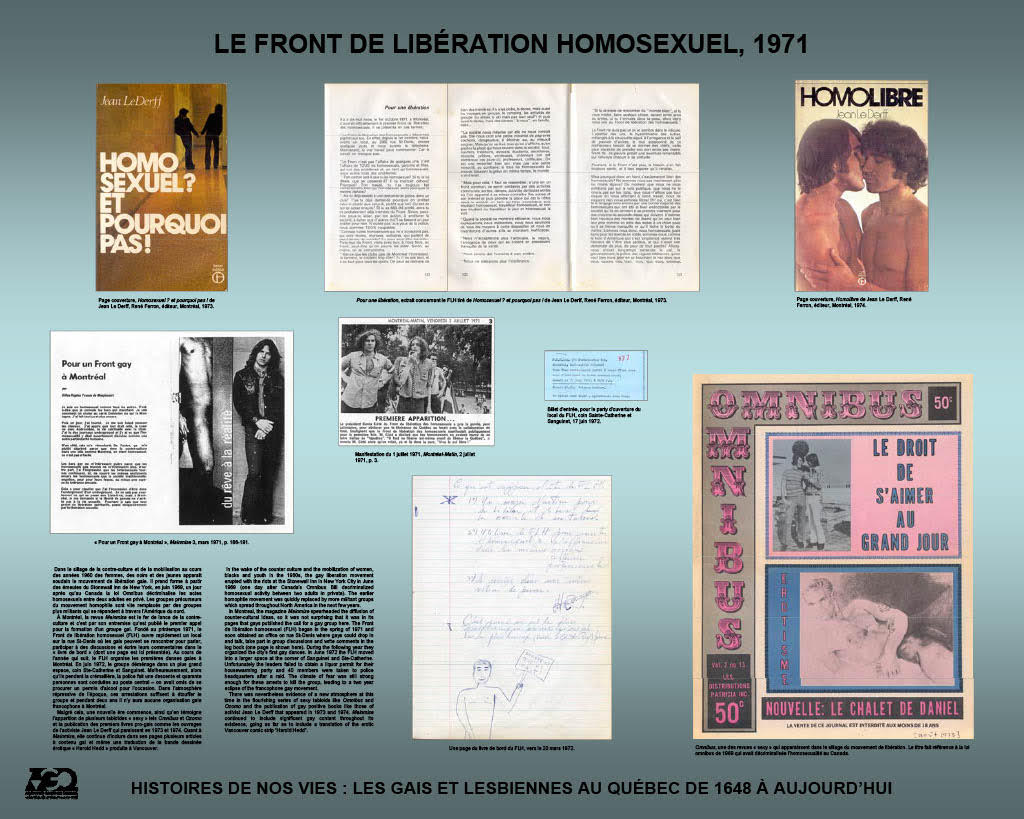
- Montreal experienced much activism as part of this movement which included the emergence of Le Front de Libération Homosexual (FLH) in 1971. That organisation, though, closed after a police raid in 1972.
- At McGill University, three teachers (Bruce Garside, John Southin and Linda Page Hollander) led a seminar course – “Biology and Social Change” – that included a discussion on gay and lesbian issues. That class morphed into a very popular seminar and drop-in in 1972 at McGill’s McClennan Library. Weekly, it attracted 50-60 McGill and non-McGill participants from different linguistic, cultural and sexual identities and was the first forum in English on gay/lesbian questions.
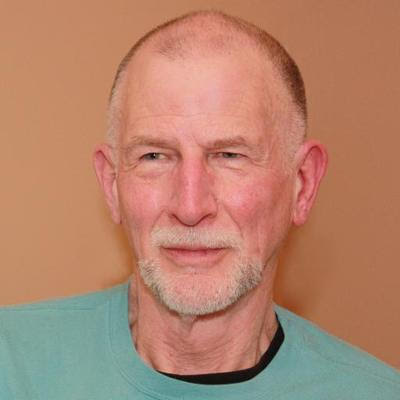
- Bruce Garside was eventually ousted from his position as a teacher in the Department of Philosophy because of his role in leading these activities and because of the homophobia that existed in the department.
- This seminar led to the creation of:
- a student group at McGill, Gay McGill, and
- the Gay Montreal Association/Association Homophile de Montréal (GMA).
- Gay McGill, with the support of McGill’s Student Union and the McGill Daily, began organising massively popular (2000+ people) dance parties in the Student Society Building – the “Shatner” Building – which was a “safe space” from police raids, attracting large numbers of Francophones as well as Anglophones. The SAQ, the police and McGill itself had over time tried, unsuccessfully, to shut down the dances.
- Another early and major project undertaken by Gay McGill, with the support of Bruce Garside, was the creation of Gay Line, a confidential and anonymous information and advice telephone, “Hotline”/Helpline which was funded and housed, not without controversy, by McGill’s Student Society led by its President, Robert Lantos. Volunteer Listeners for Gay Line, trained to ensure a quality listening and information service, came from both inside and outside of McGill.

- Gay Line’s stated goals, in their words, were:
- to provide information to Gays on what was happening in the community and to develop contacts for medical, religious and legal referrals
- to provide a, “rap service” for those having problems with their Gayness and to provide some counselling over the phone
- to rap with people who had anti-Gay feelings, to provide them with an outlet to learn and talk with Gays
- Gay Line proved to be a success and did, at one point, receive a Federal summer work grant. It did, however, have an increasing number of financial and space issues which led to several changes in location on the McGill campus and eventually ending up being housed in the Gay Drop-in Centre at 3439 St. Denis.
- Seeing this instability and the need for more established and stable counselling and support services for lesbians and gay men, a group of social workers (Miriam Green, Bruce Garside and Joanne Stitt), set up a Gay and Lesbian Social Services unit in 1975 at the provincially-funded Ville Marie Social Services Centre at 5 Weredale Park in Westmount.
- Working with a Gay Community Advisory Group, and noticing the difficulties encountered by Gay Line, they brought the helpline under the purview of the Ville Marie Social Services Centre, giving it a home and more permanent funding.
- After volunteers completed training provided by Tel-Aide on how to work with callers, this “new” Gay Line was advertised in the local press and, in May 1976, the calls commenced during the 7–11 p.m. daily shifts.
- A lesbian woman and a gay man, at least one of whom was bilingual to work with Francophone callers, staffed the two Gay Line phones; soon there were 20-30 calls per night.
- It began to be clear that the volunteers couldn’t provide some callers with all the help they needed on the phone. Therefore, social workers began to see some callers face-to-face to provide free ongoing professional counselling. There were up to 100 clients on the books at any one time.
- Gay Line, from its beginnings, proved to be a very valuable service for the wider community because there were very few other ways in which lesbians and gay men could find information about how to meet each other or where they could ask questions about sexual orientation and have someone listen emphatically to their concerns. Homosexuality was virtually invisible at that time and if it ever did get commented on in the media, the coverage was inevitably negative.

- At the same time, harassment, beatings and police raids were ever present; the major and most infamous police raids over the last decades were:
- Madame Arthur’s lesbian bar in 1974
- Neptune Sauna in 1976
- Truxx/Mystique in 1977
- Buds in 1984
- Sex Garage in 1990
- KOX/Katakombes in 1994

- Despite these needs, in the early 1980s, Gay Line’s professional counselling services were eliminated as a result of severe government cutbacks. From that point on, Gay Line had to support itself financially through outside donations, contributions from volunteers and fundraising events. Ville Marie Social Services, however, continued to house Gay Line and provide a phone line at their premises at 5 Weredale Park, Westmount.
- Around the same time, the Francophone volunteers of Gay Line left to form Gai Écoute, which offered similar services to Francophone callers. That line still exists, now known as Interligne. At this point, Gay Line became a service for callers in English.
- To help in fundraising, in 1989, Gay Line registered as a non-profit corporation in Quebec and also obtained federal charitable status, enabling the organisation to receive donations that were tax deductible.
- In 1993, Gay Line joined the newly formed Table de Concertation des lesbiennes et gais du Québec where the President at the time, Gregg Blachford, met the President of Gai Écoute, Laurent McCutcheon, and a fruitful alliance began.
- La Table de Concertation had been set up to present a united front of lesbian and gay organisations as a reaction to the rising number of unsolved murders and assaults at that time in the Gay Village and beyond.

- La Table was successful in pushing the Quebec government to ask the Quebec Human Rights Commission to hold an enquiry into Violence and Discrimination against gays and lesbians in Quebec.

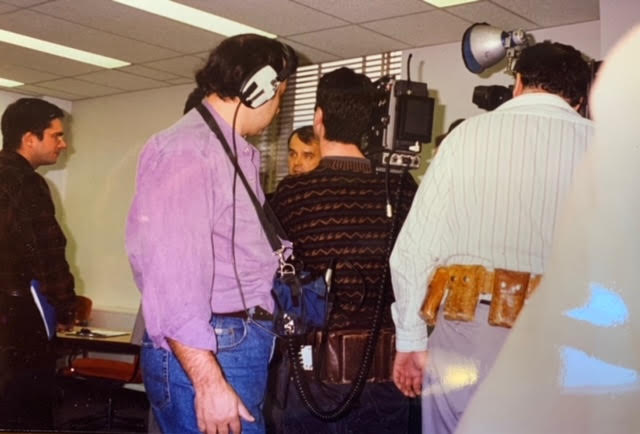
- In late 1993, Gay Line was asked, along with Gai Écoute, to give testimony at the first day of that enquiry. Our testimony made the national news broadcasts that night.
- The enquiry’s report was quite progressive for the time as it pointed the finger at the police, accusing them for its hostility towards the gay and lesbian community. But, sadly, just two months after the hearing’s report was published, the KOX/Katakombes bar was raided by Montreal police who arrested all 165 men present for having been in a “bawdy house”.
- New problems for Gay Line emerged because, with the reorganization of Social Services in Quebec in 1993, Ville Marie Social Services could no longer continue to even house Gay Line, much less finance them. Alternative accommodation had to be found which proved to be very difficult and the line was at risk of folding.
- But by July 1994, Gay Line was finally able to secure a desk and a phone in the evenings in the CCGLM/Montreal LGBTQ+ Community Centre. At that time, the CCGLM was located in Marché St. Jacques, which is now the Super C on rue Atateken.

- The situation for Gay Line improved considerably more when, in April 1996, Gai Écoute invited Gay Line to join them at their new premises upstairs at Fire Station 20 on rue Saint-Antoine. Only the façade of that station exists now as it has been integrated into the Palais de Congrès.

- This union with Gai Écoute allowed Gay Line to survive. Jointly, the two organisations were able to offer a bilingual service to all Quebecers via a free 1-888 number.
- So, after fifteen years of separation, Gay Line and Gai Écoute began to again have a close and mutually beneficial collaboration.
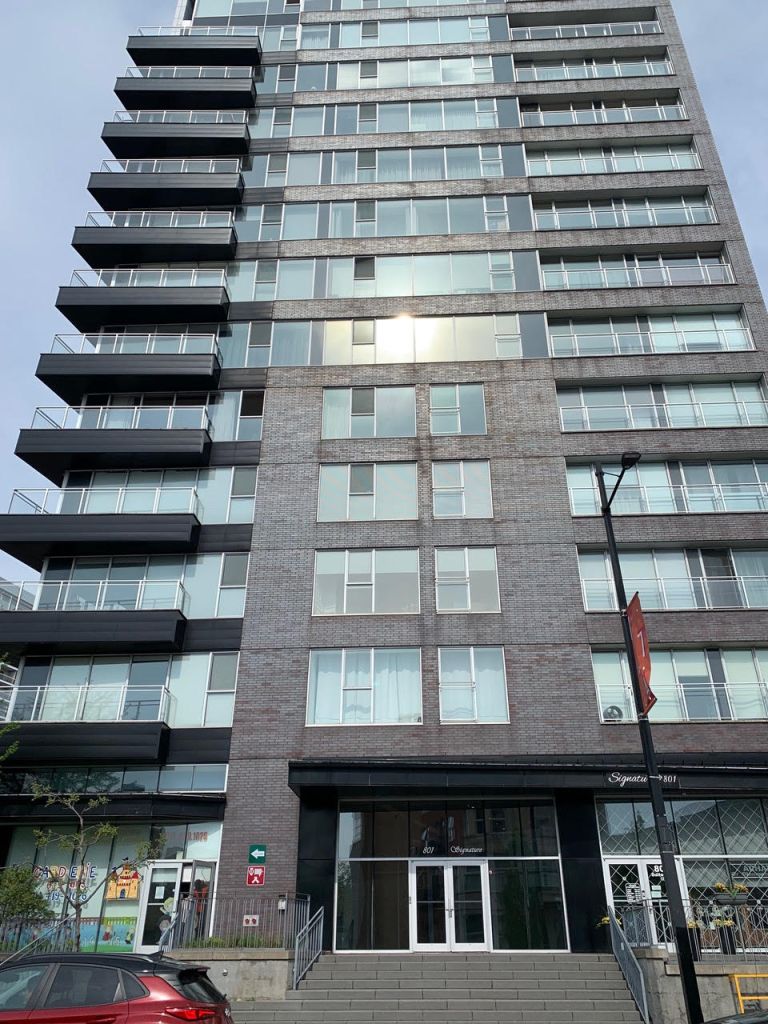
- After staying for a few years in the “Fire Station”, Gay Line moved locations several times, always with Gai Écoute. First, around 1999 to 801 Sherbrooke east, then, around 2005, to 3155 rue Hochelaga which we left in 2012.

- Don Budd, an original volunteer from Gay Line’s beginnings in 1976, retired in 1998 after 22 years as a volunteer; he passed away in 2008 at the age of 88

- Though women played a prominent part in the early stages of Gay Line, the proportion of female to male volunteers was often low. From 1999 to 2004, though, Gay Line had two consecutive female Presidents, Clara Gabriel and Andrea Zanin.

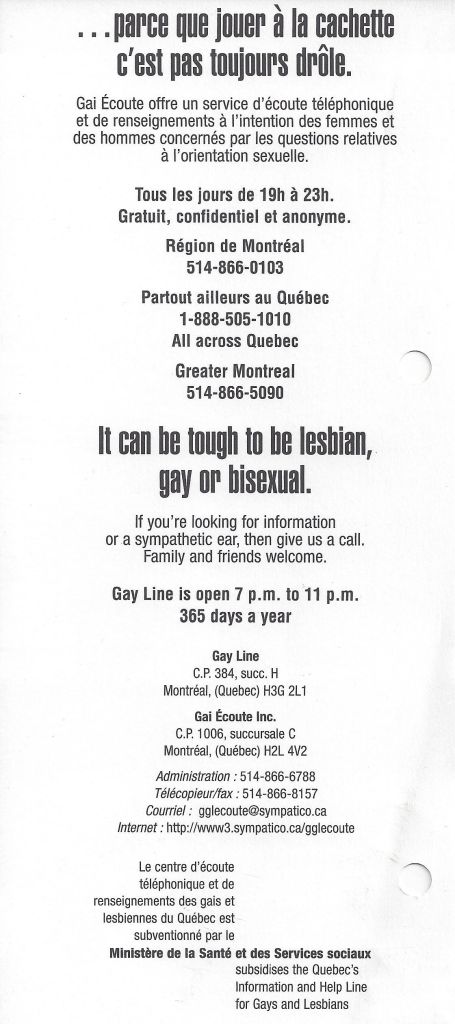
- Over the years, Gay Line produced different leaflets to advertise our services


- During the 2000s, Gay Line dedicated itself to better understanding the needs of trans callers as well as callers from different ethnocultural groups.
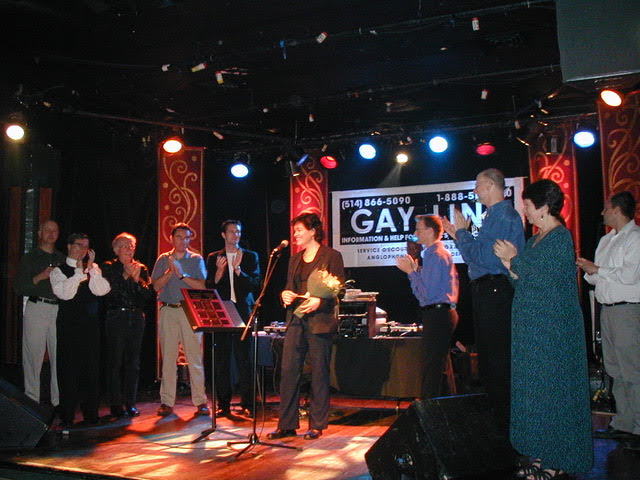
- At the 20th, 25th and 30th anniversaries of Gay Line in 1996, 2001 and 2006, parties were held to celebrate its longevity, proud that Gay Line was the longest continually existing gay group in Montreal.


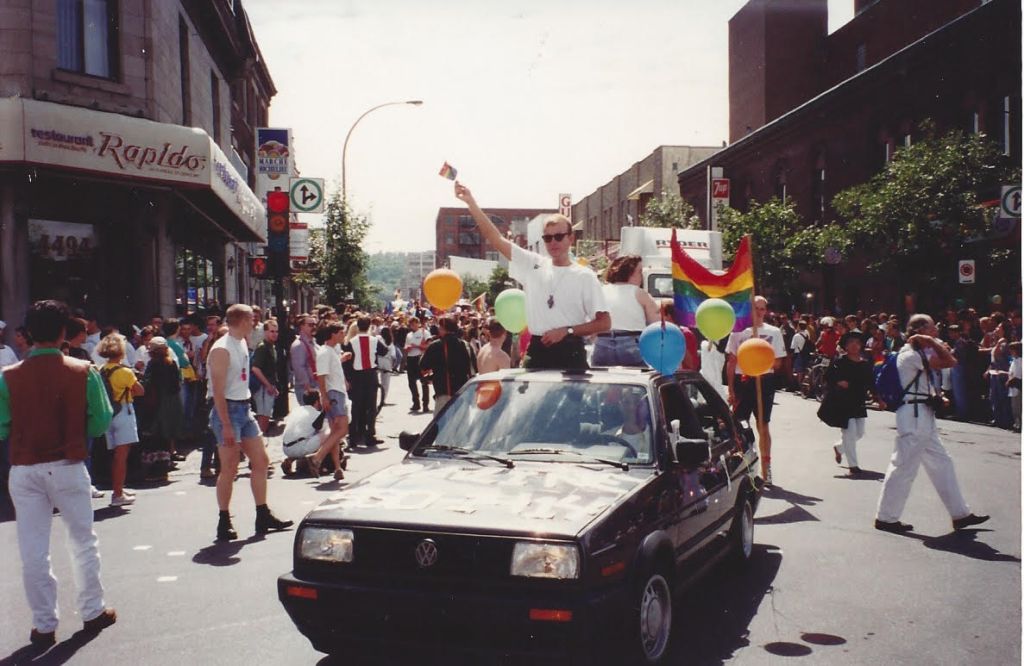
- During the annual Divers-Cité/Pride celebrations in Montreal during the late 1990s and 2000s, Gay Line would have a table at the Community Day and would march in the Pride Parade.


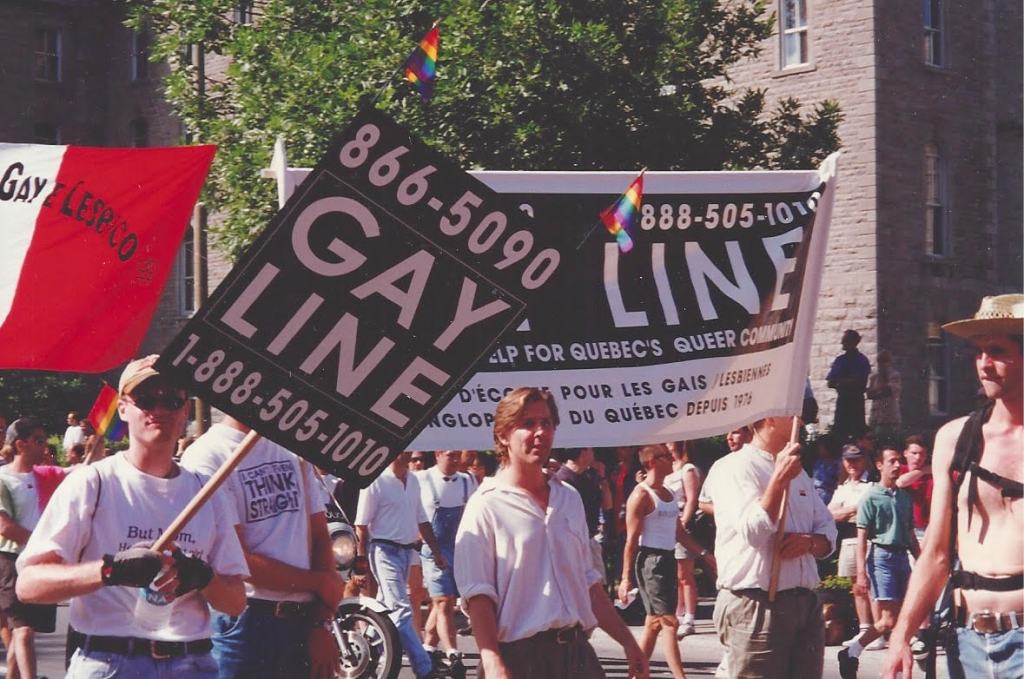

- At its peak, Gay Line received about 2,000 calls per year and had about 20-30 volunteers at any one time. But, over time, the number of callers decreased mainly because the LGBTQ+ population was able to get information about where to meet others from an increasing number of alternative sources, mainly online, so there was less need to make a phone call.
- As the numbers of callers decreased, there was a faster turnover in volunteers as the low number of callers discouraged some volunteers.
- In 2008, Gay Line reorganized itself to help better meet the different needs of the community. The President at the time, Nick Frate, took the lead in creating CAEO Québec (the Canadian Association of Education and Outreach). Gay Line was put under this new umbrella. SILK (Sexual Information Leads to Knowledge – a testimonials based LGBTQ+ safer spaces workshop) and Gay OnLine (an online chat support platform) were also created as part of CAEO to better meet the needs of the LGBTQ+ English speaking community.
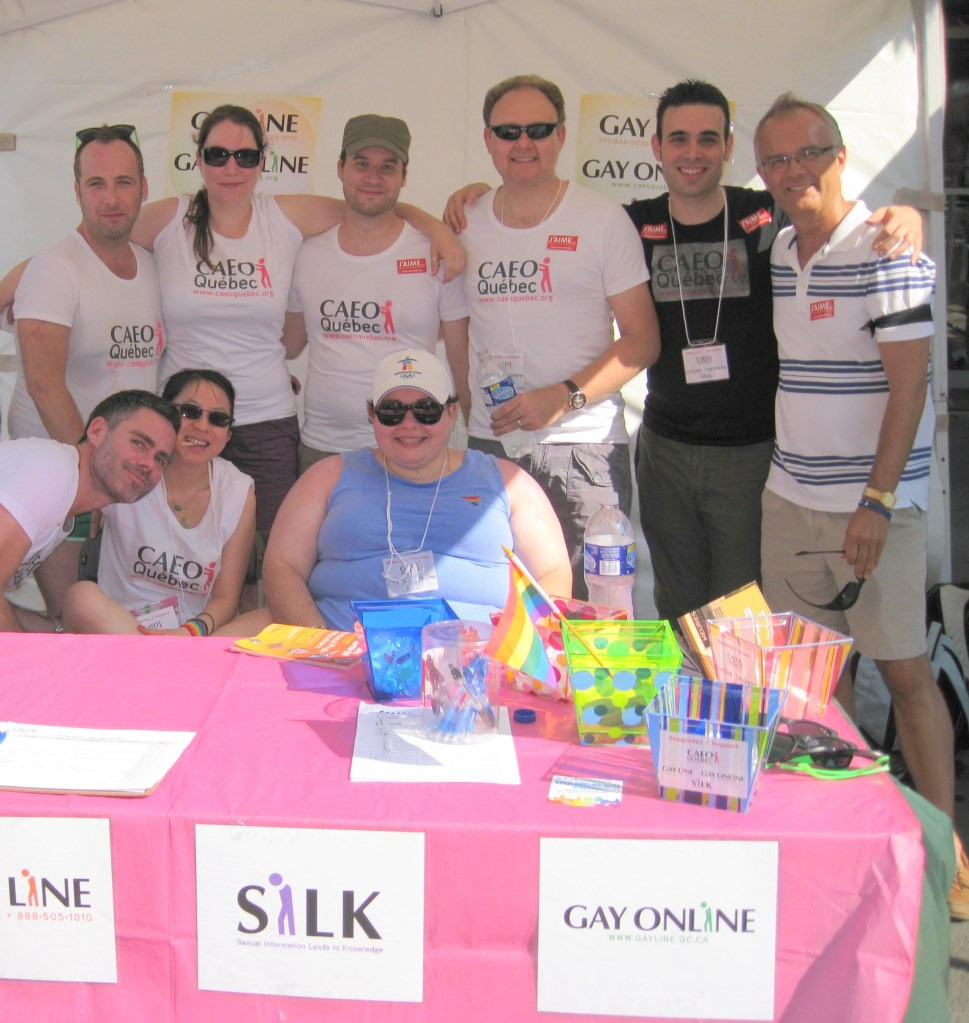
- Through a partnership with Allies Montreal, a group within Queer McGill, SILK was created to complement the workshops that they were already delivering in schools to help create safer spaces for queer, queer-questioning, and perceived-to-be-queer youth in the school environment. At the time, Allies was able to recruit many student volunteers with flexible daytime schedules within their university network and SILK was present to provide structure and continuity as turnover posed to be a challenge when Allies graduated. Both organizations worked closely together doing joint volunteer recruitment and training to enable them to facilitate the interactive and educational workshops to English language high schools, CEGEPs, universities, and community groups in the Greater Montreal/Tiohtià:ke area. This partnership was on and off until 2019 when Allies was no longer operational.
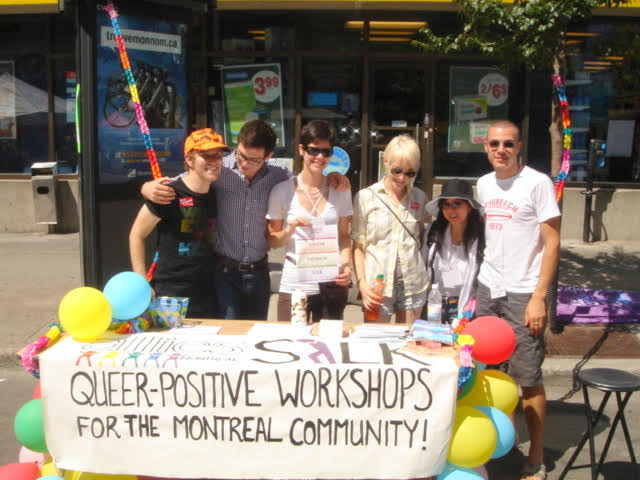
- From 2010-2017, SILK partnered up with Concordia’s pioneering course, HIV/AIDS: Cultural, Social and Scientific Aspects of the Pandemic taught by Dr. Viviane Namaste and Karen Herland. This two-semester course provided interns for SILK who were able to regularly facilitate workshops and support other SILK related work.
- Gay Line continued until it was suspended in 2012 as part of a re-evaluation of its service. It never re-opened as a telephone service. Gay OnLine services were offered as a pilot project, but that program was suspended indefinitely in 2011.
- Once Gay Line and Gay Online came to an end, CAEO focused its attention on SILK. In 2013, long-time CAEO volunteer and SILK Director (2008-2011), Kimberly Wong, took on the role of Director General of CAEO as well as SILK Director and, under her leadership, worked to expand volunteering and school outreach to increase workshop engagement.
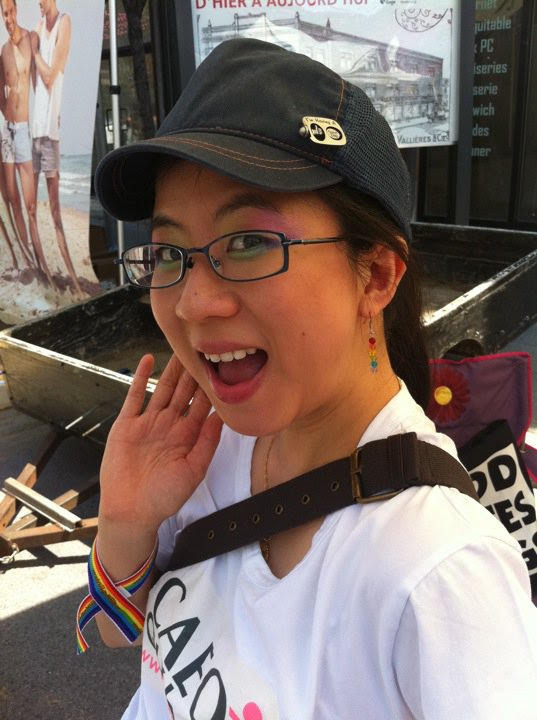
- In 2015, CAEO participated in the Quebec Provincial Association of Teachers Conference for the first time. This proves to be an ongoing opportunity to present the SILK workshop to teachers, generate interest in and recruit volunteers to help with workshops and content development.
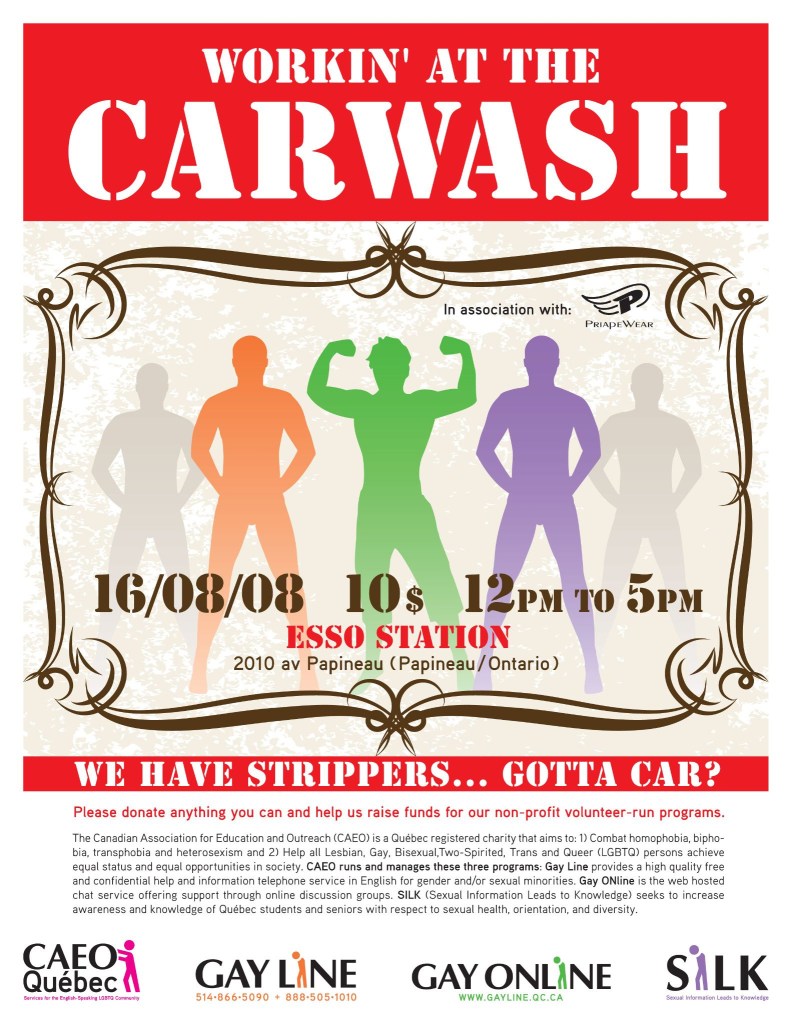
- Fundraisers and donations were always essential to the operations of CAEO Québec. They have ranged from car washes, spaghetti dinner restaurant takeovers, open mic coffee houses, and more.
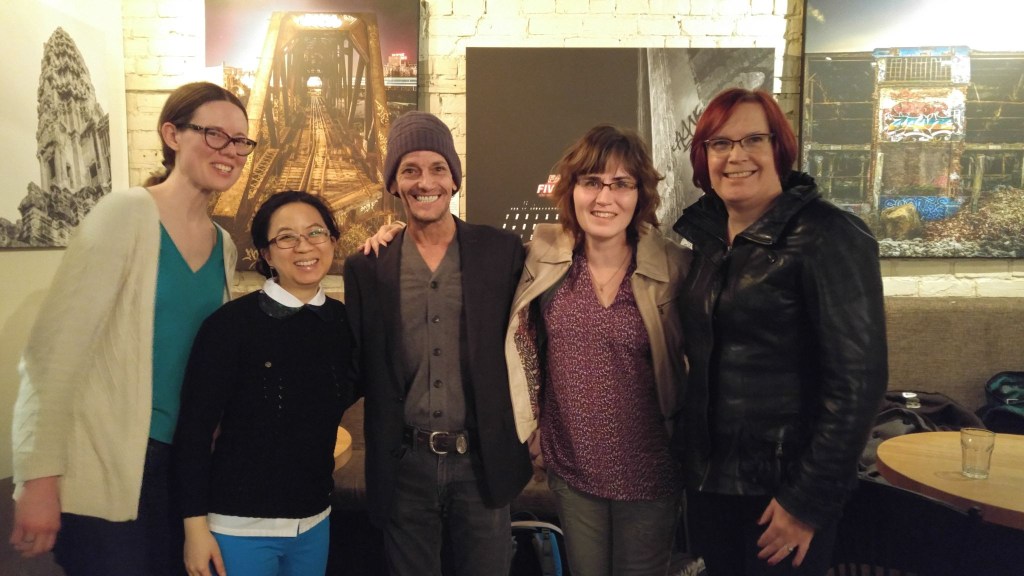
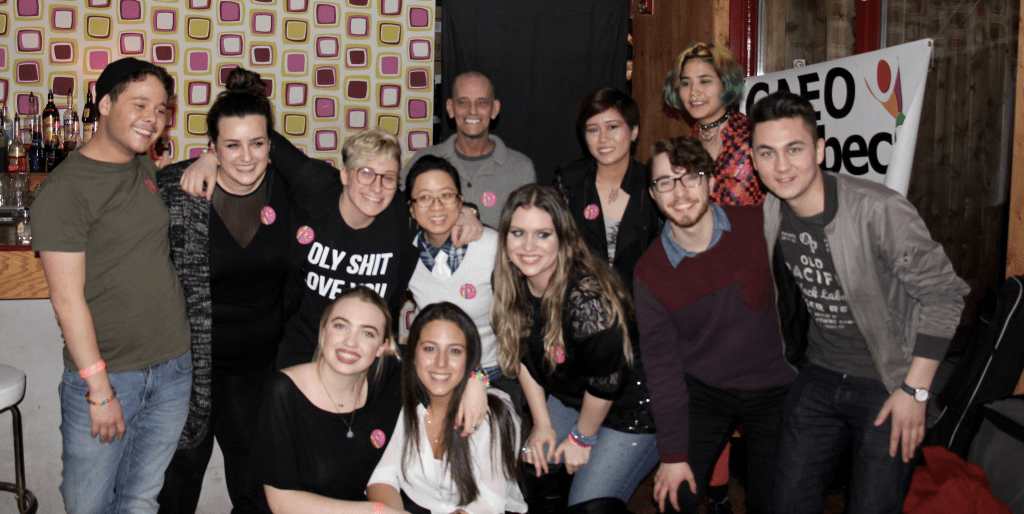
- While the focus of SILK workshops had always been on high school students, in 2016 SILK delivered its first workshop to a grade 6 class at Saint-Gabriel’s Elementary School. Working with Saint-Columba House and their Get to the Pointe! sexual health program, SILK volunteers adapted the workshop to talk about gender and sexuality for this younger age group. From this workshop onwards, SILK continues to facilitate to students from grades 5 and upwards.
- From 2017-2022, SILK partnered up with AIDS Community Care Montreal’s Jeunes Queer Youth (JQY) Program (coincidentally managed by Kim), a sexual health program that provided microgrants for queer and trans youth to build their leadership skills. Through this partnership, SILK promoted the JQY program within its workshops and helped students from high schools secure $500 in funds towards starting up their own Gender and Sexuality Alliances (GSAs).
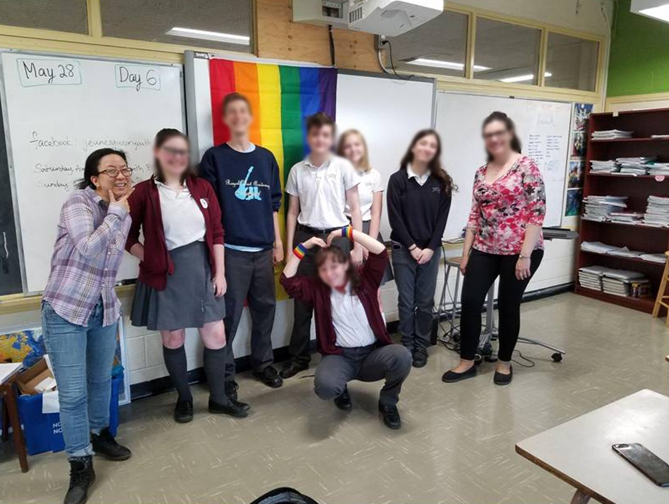
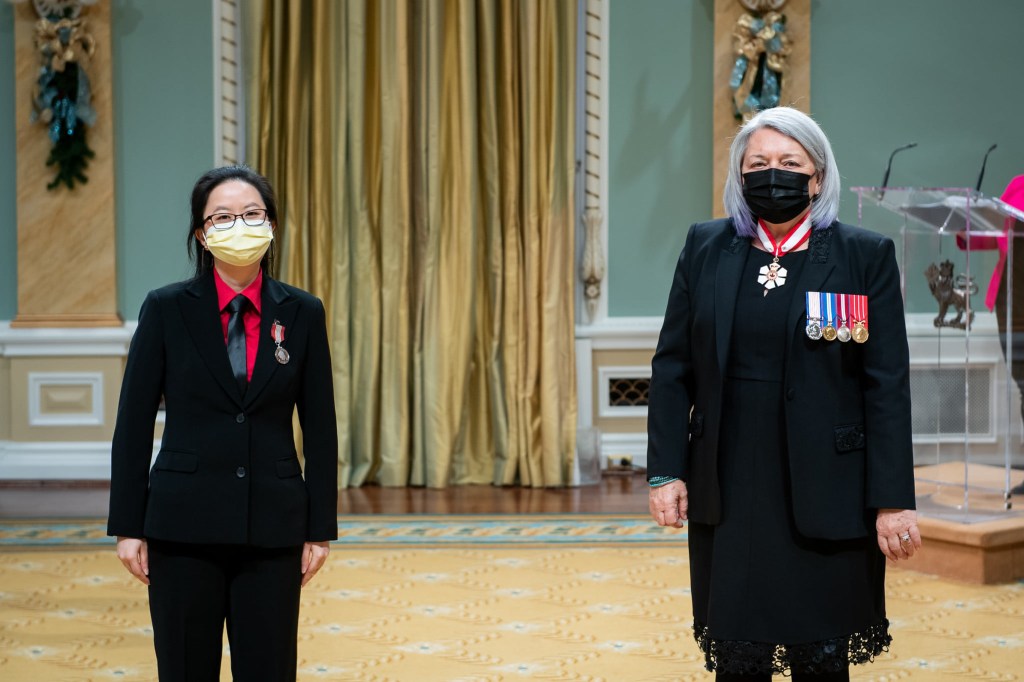
- In 2018, Kim was awarded the Governor General’s Sovereign’s Medal for Volunteers for her ongoing work with the SILK program, education around sexual health and LGBTQ+ advocacy.
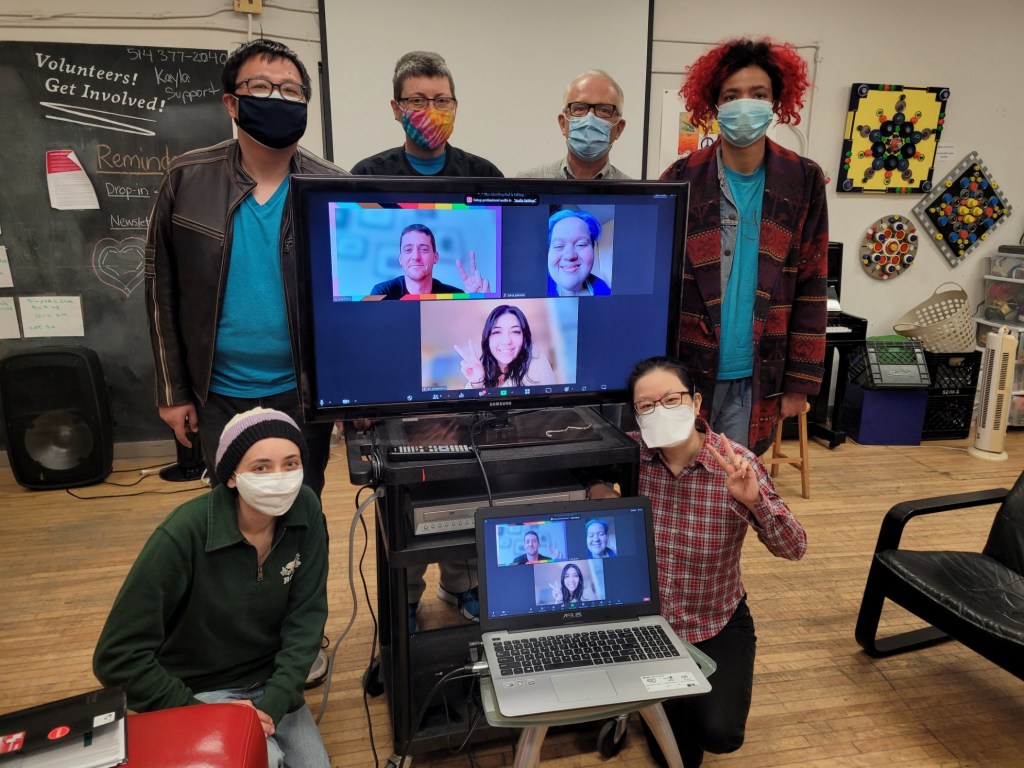
- COVID hits in 2020 and with the lockdowns, SILK has to adapt quickly. All in-person workshops are cancelled and yearly trainings are suspended for 2020 and 2021. Volunteers mobilie and create a new volunteer manual and online presentation for us to deliver workshops in schools remotely. Workshops experience a significant drop in 2021 as online fatigue sets in and schools focus to re-establish life back in the classroom. In-person workshops start up again slowly in the spring of 2021 and then return fully in autumn 2022.
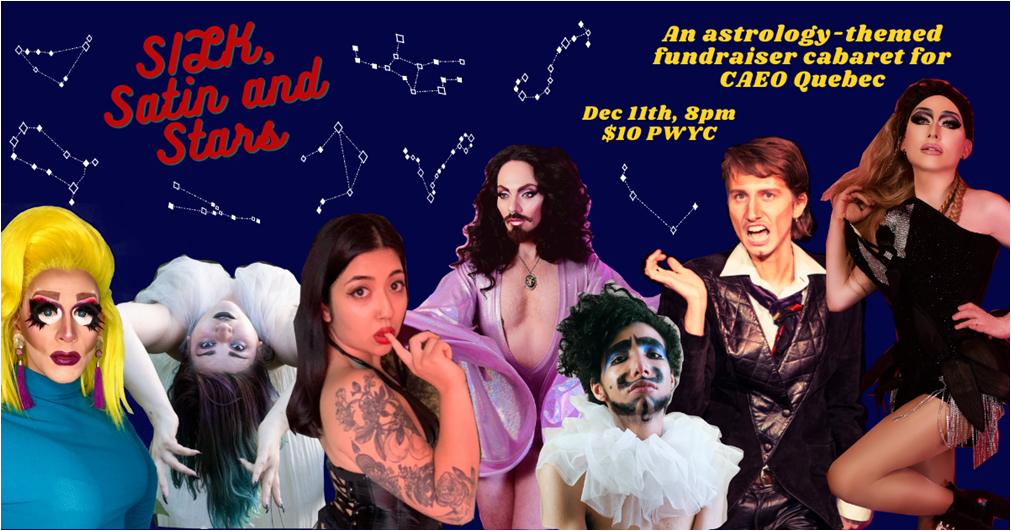
- In the midst of the pandemic, volunteers were keen to organize an online fundraiser for SILK. Thus, SILK, SATIN & STARS was born, an astrology-themed cabaret show hosted by two of CAEO’s very own volunteers Jaqq Strapp and Kaya Koko. Many queer artists came out to flex their creative skills online in support of the cause.
- In 2021, SILK received a special request from a guidance counsellor who was dealing with students identifying as, “super straight” from a TikTok trend. This led a team of volunteers to develop a workshop that was delivered online that addressed this issue and also went further to talk about trans realities and transness that spans throughout time and across-cultures.
- Workshop bookings continue to pick up again thanks to an additional mid-year training session in winter 2023 to help replenish SILK’s volunteer pool and increase our capacity. Post COVID, a noticeable uptick in homo/trans/queerphobia is observed along with the fall of many GSA groups. This is later confirmed in a report published in 2025 by GRIS Montréal (French only): Montée de l’intolérance dans les écoles : le GRIS-Montréal et la FCPQ lancent un appel à l’action.
- In 2024, a more formal partnership was established with the English Montreal School Board (EMSB). CAEO Québec’s SILK program becomes a known and Board approved organization that covers Ministry mandated education on gender and sexual diversity. Since the program had been receiving requests from teachers for their own workshop, SILK pitched a new project with the EMSB’s Sex-Ed Consultant and developed a new, three hour workshop with a team of volunteers to present to teachers during the EMSB’s pedagogical days. Two workshops were facilitated in the spring of 2025, one to a group of elementary teachers and the other, a group of high school teachers. The workshops received excellent feedback and continues to be offered to EMSB teachers.
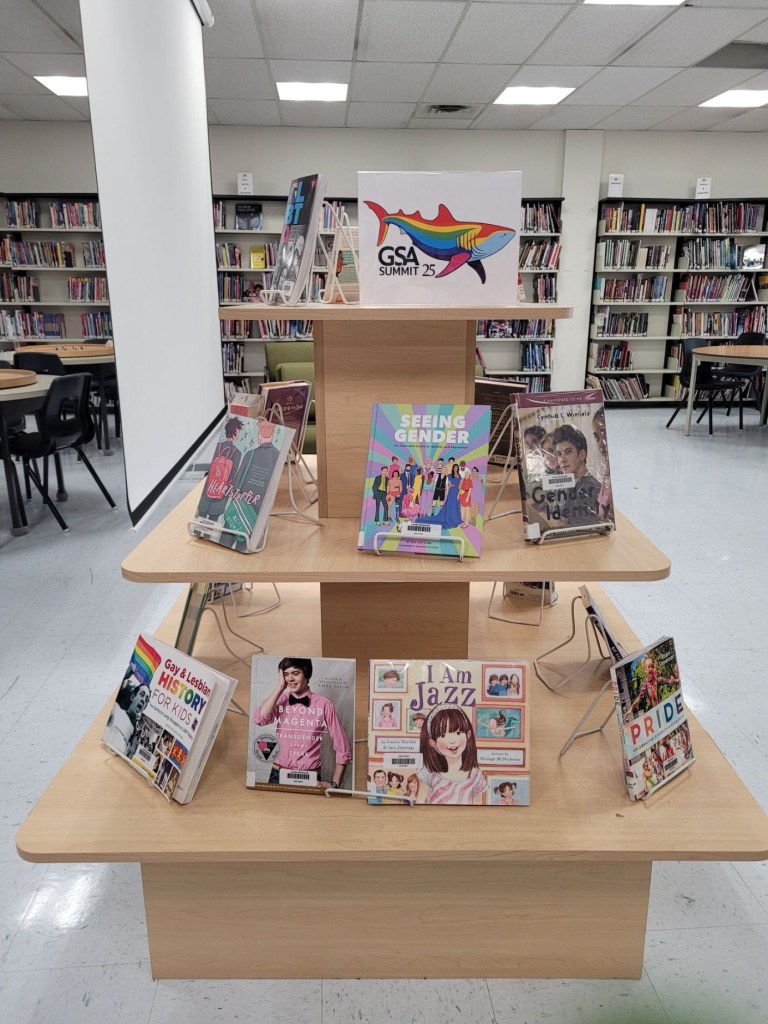
- Working with a teacher and librarian at Laurier Macdonald High School, SILK helped to organize and participate in a by and for GSA Summit in 2025 with schools in the neighbouring area: Rosemount High School, John F. Kennedy High School, and Vincent Massey Collegiate. Students came together to talk about their shared experiences with forming and maintaining their GSA, guest speakers (including SILK) did a Q&A with the students and future plans were discussed with the intention to hold a summit every year.
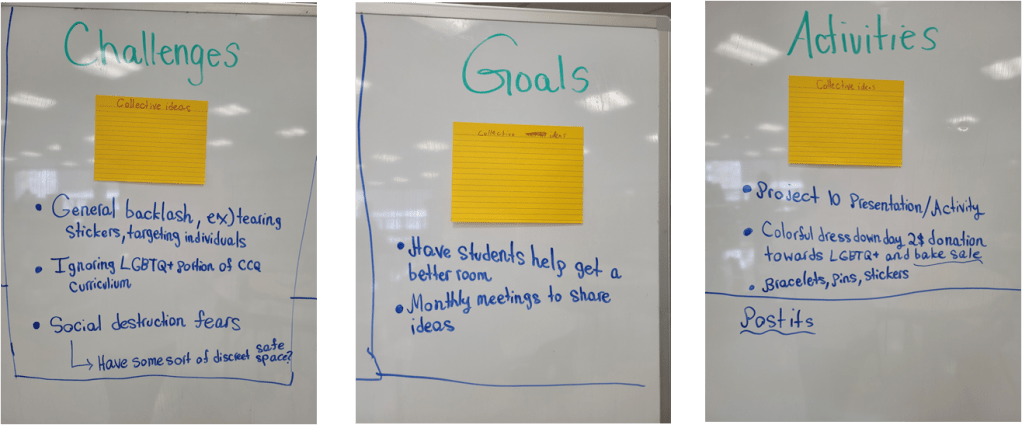
- Near the end of the school year in 2025, SILK visited Royal West Academy to deliver its first Intergenerational Storytelling workshop. These were offered exclusively to GSAs so that students would be able to listen to testimonial stories and ask questions to their queer elders within the safety of their GSA meeting space. Students enjoy their time with the visiting facilitators so the workshop continues to be offered to GSAs.
- With the success of the EMSB teacher workshops, SILK then collaborated with the New Frontiers School Board in the fall of 2025 and delivered an adapted version of the workshop for their teachers, with positive feedback.
- On May 17th, 2026, Gregg and Kim were invited to the historic home of Theo Wouters and the late Roger Thibault (the first gay couple to enter a civil union in North America in 2002) on the International Day Against Homophobia, Transphobia and Biphobia. The gathering was to commemorate the 25th anniversary of the march organized in Pointe-Claire to denounce intolerance and homophobia that Theo and Roger experienced in their neighbourhood. Gregg and Kim got to speak about CAEO, our work and our 50th own anniversary milestone among various levels of politicians and other community groups. Watch it here!
Notable SILK Workshops & Engagements:
- 2010
- Kahnawà:ke Survival School. Our first workshop with Indigenous students in Kahnawà:ke.
- 2018
- Immigration, Refugees and Citizenship Canada Department, to give our workshop to federal government staff members.
- Portage, a high school/rehabilitation centre for students.
- 2021
- Douglas Institute, program for youth with mental health challenges to get reintegrated into the classroom.
- 2024
- LEARN Québec, who provides educational resources for the English community of schools across Quebec.
- Online workshop for parents
- Community Learning Centres Conference in Orford, QC for teachers and school administrators: Making Schools a 2SLGBTQIA+ Safer Space for Students.
- McGill Faculty of Sciences, for students, staff and faculty members.
- LEARN Québec, who provides educational resources for the English community of schools across Quebec.
- 2025
- Éducaloi, consultation with English-speaking LGBTQ+ communities to understand the legal information needs of English-speaking LGBTQ+ people and of the people who work for LGBTQ+ organizations.
- West-Central Centre intégré universitaire de santé et de services sociaux (CIUSSS), workshop for frontline workers: Atelier d’introduction sur la diversité sexuelle et pluralité de genre.
- 2026
- Gay Line and CAEO Québec celebrates its 50th anniversary.
Gregg Blachford and Kimberly Wong – June 2026

Gay Line Founders
1976: Bruce Garside, Miriam Green, and Joanne Stitt of Ville Marie Social Services
Gay Line Presidents
1980–1982: Kamal Sahmi
1982–1986: William Raso
1986–1988: David Aveline
1988–1990: Alan Taliaferro
1990–1993: Richard Scott
1993–1996: Gregg Blachford
1996–1997: Jean Pichette
1997–1999: Bruce Walsh
1999–2002: Clara Gabriel
2002–2005: Andrea Zanin
2005–2007: David Wright
2007–2008: Luke Nicholson
2008–2009: Nick Frate
CAEO Québec Presidents
2009–2010: Nick Frate, Founder
2010–2011: Nick Frate & Kimberly Wong
2011–2013: Erika Jahn
CAEO Québec Director Generals
2013-2024 Kimberly Wong
CAEO RECOGNITIONS
Executive of the Year
2009: Kimberly Wong
2010: Tim Wray
2011: Katherine Black
2012: Katherine Black
2013: Kelley Rojas
2014: Axel Féliot
2015: Jennifer Crosland
2016: Kimberly Wong
2017: Diane Wilson (2002-Present)
2018: Farin Shore
2019: Kimberly Wong
2020: Diane Wilson & Kimberly Wong
2021: BJ Lohr
2022: BJ Lohr, Diane Wilson & Kimberly Wong
2023: Diane Wilson
2024: Kimberly Wong
2025: Kimberly Wong
Volunteer of the Year
2009: Mariel Bello
2010: Marcus Lam
2011: Suzanne Mainville
2012: Gaspare Borsellino
2013: Candice Boos & Marc Cabral
2014: Marc Cabral
2015: Erica Parente
2016: Farin Shore
2017: Jishian Ravinthiran
2018: Jishian Ravinthiran
2019: Sam Davin
2020: Gregg Blachford & Maxen Jack-Monroe
2021: Gregg Blachford & Sam Davin
2022: Fern Lou Fernandez & Isabela Beccera
2023: Fern Lou Fernandez
2024: Fern Lou Fernandez
2025: Philip Gareau
Outstanding Contribution
2009: Paul Underhay & Leo Zaccheo
2010: Peter Driscoll, Salvador Garcia-Martinez & Cory Olson
2011: Gabrielle Bouchard
2012: Gregg Blachford (1992-2012)
2013: Katherine Black
2014: Katherine Black
2015: Vinca Erdmann
2016: Chad Hanes
2017: Farin Shore & Cheryl Chu
2018: Cheryl Chu
2019: Silvana Viapiano Gonzalez
-> Honorable mentions: Cheryl Chu, Wes Martin & Jasper Cobb
2020: Fern Lou & BJ Lohr
2021: Maxen Jack-Monroe, Fern Lou Fernandez, Pak-Kei Wong & Laurene Lau
-> Honorable mentions: Brigitte Kang & Eléa Regembal
2022: Fern Lou Fernandez & Laurene Lau
-> Honorable mentions: Pak-Kei Wong & Gregg Blachford
2023: Brooklynn Carey & BJ Lohr
-> Honorable mentions: Maxen Jack-Monroe, Laurene Lau, Romina Filippelli,
Pak-Kei Wong & Jonathan Dion
2024: Sam Davin, Brooklynn Carey & Maxen Jack-Monroe
-> Honorable mentions: BJ Lohr
2025: Sam Davin, Heath D’Alessio, Thia ML, Taylor Rubin & Cady Wong
-> Honorable mentions: Agata Kasprzyk, Wook Yang, Jill Boyd, Fern Lou
Fernandez & Diane Wilson
***
In Gay Line’s absence, we recommend the following resources:
- Project 10: 514-989-4585
- West Island LGBTQ2+ Centre: 514-794-5428
 CAEO Québec